
At a glance
Indigenous rangers across the Northern Territory work on Country every day: protecting land, managing fire, monitoring wildlife, leading cultural programs. The work is extraordinary. But until they had the skills to film and share it themselves, the world rarely saw it in the rangers' own voices.
We have worked with the Central Land Council over several years, delivering smartphone video workshops that put the storytelling tools directly in rangers' hands.
Skills that stay
Rangers plan, film and edit on the phones they already carry.
In their own voice
Stories stay accurate to Country and culture, told from the source.
Built with the group
Designed with each land council, paced to suit the rangers.
The challenge
Why "in their own voice" matters
Ranger work has been documented before: by film crews flying in, by news teams, by researchers. That coverage is valuable, but it is always filtered through someone else's framing.
When rangers tell their own stories, on their own terms, with their own footage, something fundamentally different happens. The story stays accurate to Country and culture. The audience hears directly from the people doing the work. And the rangers themselves build a skill they can keep using: for recruitment, for community communication, for cultural preservation, for their own families.
That is what these workshops are designed to support.
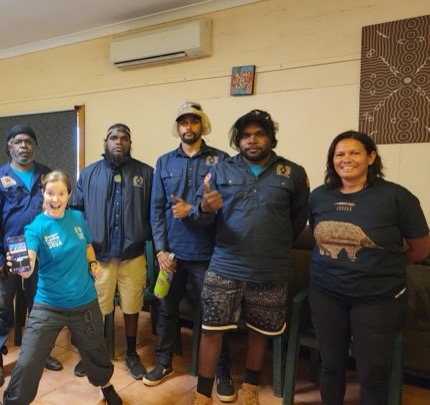
What we did
Practical, hands-on, on Country
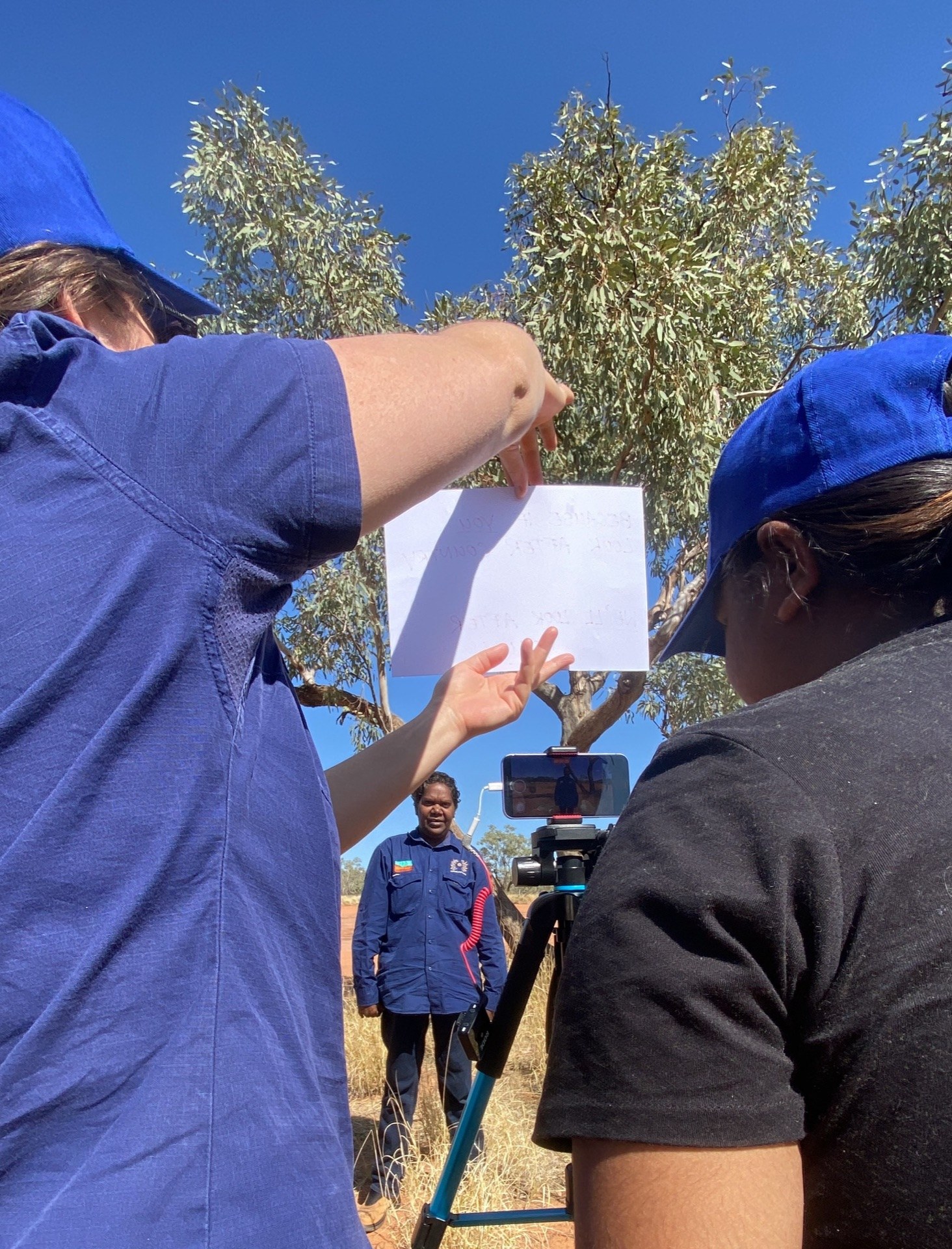
Workshops are designed in close consultation with the host land council or organisation. Sessions are practical and hands-on. We bring the technical knowledge; the rangers bring the stories and the cultural context. The training is paced to suit the group, with respect for cultural protocols and Country.
We have delivered these workshops in multiple regions and tailored them each time to local needs and language preferences.
A standout example: a recruitment video created after the workshop by two of the Central Land Council's exceptional female rangers, Bronwen Cavanagh from the Ltyentye Apurte Rangers and Kitana Shaw from the Aputula Rangers.
Why it matters for your team
Stories that come from the source
This model, putting practical video skills directly into the hands of the people doing the work, applies anywhere there are stories worth telling and a desire for those stories to come from the source, not from outside. If your organisation works with rangers, communities or remote teams, the same approach travels well.