


Instagram has started testing videos up to 90 minutes long. Wherever long video ends up, the way to make one earn its keep doesn’t change: give the full version a proper home, then cut short clips from it that are worth watching on their own.
In October 2026, Adam Mosseri, who runs Instagram, announced that Instagram is investing in longer videos. They're called Features.
He was open about the change of heart. TechCrunch quoted him: “For a long time, I have been against doing long-form video on Instagram.”
Why YouTube should be paying attention
Instagram has tried long video before. It launched IGTV in 2018, and closed the separate IGTV app in 2022. The difference this time is where they show up. Mediaweek reports that Features videos will appear in people's main feeds and on the Explore page, where they're already scrolling, not in a separate app they have to go and open.
Creators aren't rushing over. NetInfluencer asked 32 people who work in the creator economy what they made of it, and most of the doubt came back to money. Social media and influencer marketing consultant Courtney Canfield put it plainly: “My long-form stays on YouTube, thanks very much.”
Those are people who earn from their videos. Most of you don't. You're a council explaining a new bin service, a landcare group showing a planting day, a business walking a new staff member through the morning set-up. You don't need ad revenue. You need the right people to find the video and watch it to the end.
Give the full version a home
A long video needs somewhere people can find it again next month, not just scroll past it today.
Put the full video on YouTube. It's where people go when they're searching for how to do something, and a YouTube link plays on any phone or computer without an account.
Embed it on your own website, on the page where someone needs it. A training video belongs on the training page. A council explainer belongs on the page for that service. People shouldn't have to leave your site to watch it.
If Instagram Features is open to you, post it there as well. It isn't exclusive, so one video can live in all three places.
The real work is in the clips
Your long video is the source. Out of it you cut short clips, and each one goes up as a Reel. A good clip is worth watching on its own, even if nobody ever taps through. Then it tells people where the longer version is.
Most people get the second half right and forget the first. A clip that only says “watch the full video” is an ad, and people scroll past ads. A clip that teaches one thing, answers one question, or shows one moment that lands is a post in its own right, and the link to the full version is a bonus for the people who want more.
What makes a clip work on its own
- One idea. A single tip, a single answer, a single before-and-after. If it needs the minute before it to make sense, it's the wrong clip.
- It starts on the moment. Cut the “so, um” and the walk into frame. The first second should already be the point.
- The answer carries the question. When I interview someone, I ask them to fold my question into their answer. “It gets kids reading” means nothing on its own. “The Reading Club program gets kids reading” works anywhere you put it. Do that when you film and every answer becomes a clip you can lift straight out.
- Captions on, so it works with the sound down.
- The last line says where the rest is. “The full walk-through is on our website” is enough.

Say you've made a ten-minute video about a new bin service. One Reel is what goes in the new bin. Another is the change to collection day. A third is a resident trying the new bin for the first time. Each one is useful by itself, and each one sends people to the full video.
The easiest time to cut those clips is while you're editing the long one. You've already found the best moments. If you're new to editing, my beginner's guide to cutting and exporting walks you through it.
Film horizontal and keep your speaker in the middle
Long video is horizontal: YouTube, Features and a TV screen all want it that way. Reels are vertical. If you film your longer pieces horizontally and keep the person speaking in the middle third of the frame, you can crop a vertical Reel out of the same footage later. One shoot gives you both shapes.
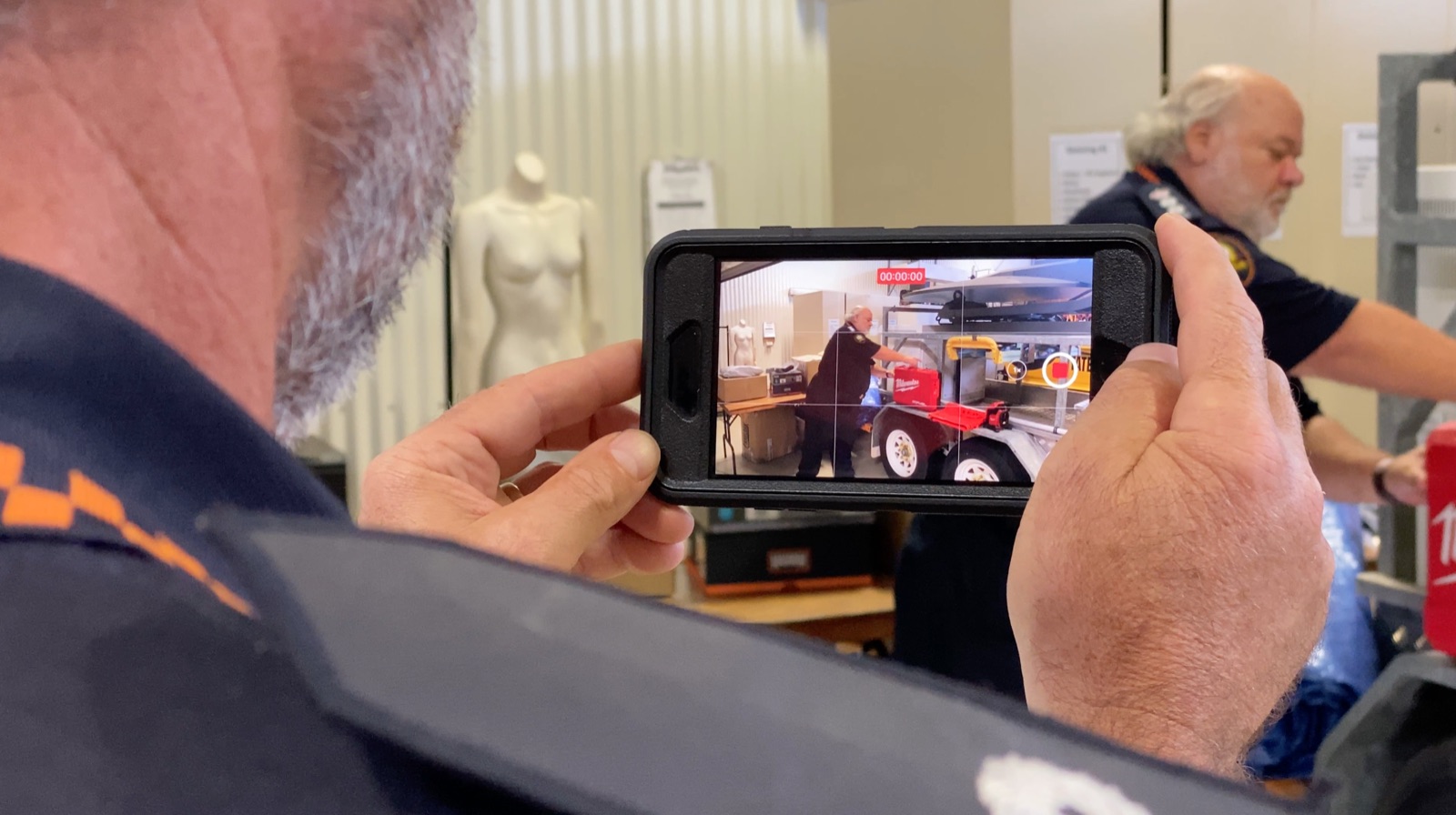
Film in 4K if your phone does it. A vertical crop from horizontal 4K footage still has enough detail to look sharp as a Reel. From ordinary HD it starts to look soft.
I've spent 35 years in this industry and worked with all the major Australian TV networks. Film wide, keep your subject centred, and one shoot can serve every screen. My smartphone videography guide covers the rest of the set-up.
When a new home turns up
Features won't be the last one. When a new place for long video opens up to you, try it with a video you've already made. Post it alongside the YouTube version, then compare where your people actually watched it to the end.
That's the number that tells you where your long video belongs.
Next time you edit a long video, cut the clips before you close the project.
Want your team filming and cutting their own long videos and Reels?
That’s what our video and editing courses teach, on the phones you already have.
Have a chatMore from the blog
Sources
- TechCrunch, “Watch out, YouTube: Instagram goes from short-form to 90-minute videos”, 26 October 2026.
- Social Media Today, “Instagram rolls out limited Features test in the US”, 26 October 2026.
- Mediaweek, “Instagram's Features test targets YouTube's podcast audience”, 26 October 2026.
- NetInfluencer, “Instagram Long Form: 32 Creator Economy Experts React to 90-Minute Videos and 'Series'”, 6 November 2026.
- 9to5Mac, “Instagram unplugs IGTV after taking four years to realize no one wants a separate app”, 28 February 2022.